

Nuts and seeds that are good for acne
Nature’s ingredients that calm inflammation and support your skin.


You may have heard people say that nuts cause acne. Somewhere along the line, nuts picked up bad publicity among people already frustrated with breakouts. Groundnuts get blamed after a flare-up, and seeds are being removed from diets in the hope that clearer skin will follow, but the real issue is not nuts themselves, but understanding what they offer and how to eat them without overdoing it.
What people get wrong about nuts and seeds
Acne is shaped by oil production, inflammation, hormones and bacteria. Food does not sit at the centre of that mix, but it can influence how intense breakouts become. Diet affects inflammation and blood sugar levels, and both play a role in how the skin behaves.
Nuts and seeds bring practical nutrients to the table. Healthy fats support the skin barrier. Zinc helps with wound healing and oil regulation. Fibre supports gut health, which is increasingly linked to inflammation in the body. Antioxidants help the skin cope with daily stress. That is the real case for including them.
They also have a low glycaemic load. In simple terms, they do not spike blood sugar the way pastries, sugary drinks or white bread do.
The ones that actually help
Acne is driven by oil production, inflammation, hormones and bacteria. Diet does not sit at the centre of that storm, but it can influence inflammation and blood sugar swings, both of which affect breakouts. Research from the Journal of the Academy of Nutrition and Dietetics shows that diet-related inflammation can play a role in acne severity, particularly when high-glycaemic foods dominate the diet. Nuts and seeds bring healthy fats, zinc, fibre and antioxidants to the table. These nutrients support skin repair and help calm inflammatory responses, a benefit noted in studies on dietary fats and systemic inflammation
They also tend to have a low glycaemic load. In plain terms, they do not send blood sugar on a rollercoaster the way refined snacks do, which matters for a lot of people
Pumpkin seeds
Pumpkin seeds deserve more attention than they get. In Nigeria, pumpkin seeds, especially those from the fluted pumpkin (Telfairia occidentalis), are most commonly called Ugu seeds, especially in the East/Igbo regions, and are highly valued for their nutrition, often used in soups, eaten roasted, or processed .They are one of the better plant sources of zinc, a mineral linked to wound healing and oil regulation in the skin. Several clinical studies have found lower zinc levels in people with acne compared to those without it. That does not mean zinc fixes acne, but it explains why dermatologists pay attention to it.
A small handful of pumpkin seeds added to pap, oats or a salad makes sense. No need to roast them in excess oil or sugar. Simple works.

Almonds
A review in Dermato-Endocrinology noted that antioxidants may support skin health by reducing free-radical damage, even though they are not a standalone acne treatment. and helps protect cells from oxidative stress. Think of it as maintenance rather than treatment. Less irritated skin tends to behave better over time.
Almonds also have fibre and healthy fats that slow digestion, helping to prevent sharp blood sugar spikes. That is one reason they sit comfortably in most acne-friendly diets. Portion size still matters. A small handful is enough.

Walnuts
Walnuts bring omega three fatty acids into the conversation. These fats are linked to lower levels of inflammation in the body. Some small studies suggest omega three intake may reduce acne severity in certain people, though the evidence is still developing.
Walnuts are useful if your diet is heavy on processed oils and light on fish. They are not a replacement for medical treatment, but they can help balance the overall fat profile of what you eat.

Sunflower seeds
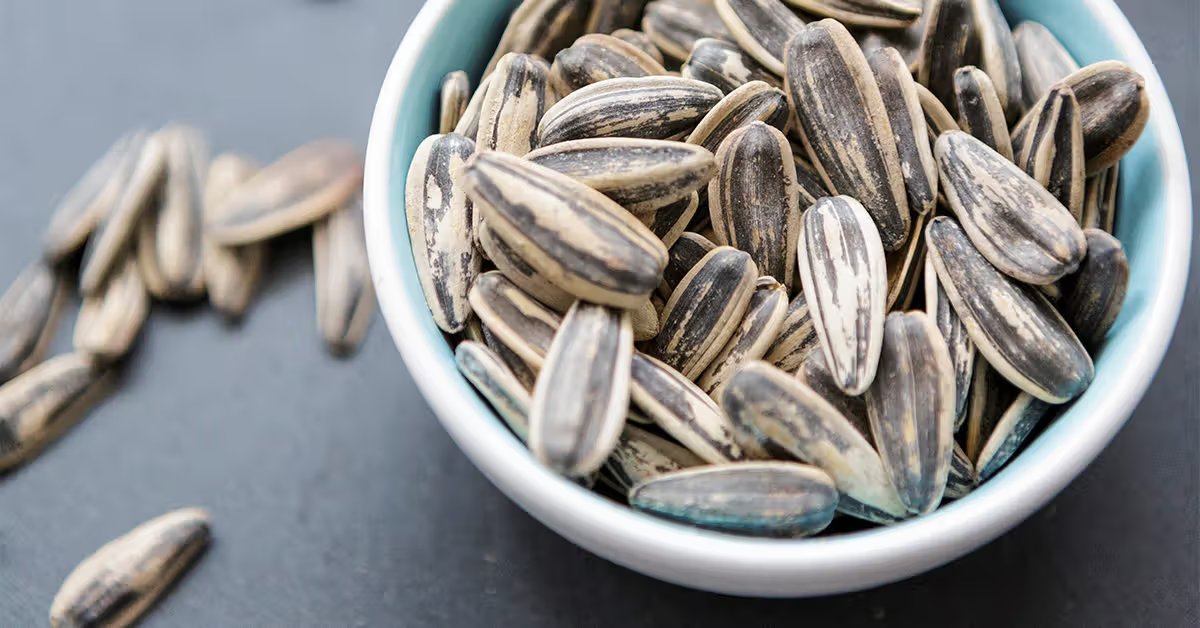
Sunflower seeds offer vitamin E and selenium, both important for skin repair and immune function. Selenium helps protect cells from damage and supports antioxidant enzymes in the body.
They are easy to sprinkle into meals, but they are also easy to overeat, especially when salted. Moderation matters here, not because they are bad, but because excess salt and calories add nothing to skin health.
Flaxseeds
Flaxseeds sit quietly in many kitchens, but they do useful work. They contain omega three fats and lignans, compounds that may influence hormone balance. Since hormones play a large role in acne, especially in adult women, this matters.
Ground flaxseeds are better absorbed than whole ones. Stirring a spoon into yoghurt or smoothies is usually enough. There is no prize for excess.

Chia seeds
Chia seeds offer fibre, omega three fats and a slow-release energy profile. Fibre supports gut health, and there is growing interest in the gut-skin connection. While research here is still evolving, a calmer digestive system often shows up on the skin.
Chia seeds also help keep meals more filling, which can reduce reliance on high-sugar snacks that are more clearly linked to acne flare-ups.

What to be careful about
Not all nuts work for everyone. Some people notice breakouts after eating peanuts or cashews, possibly due to sensitivities or the way they are processed. Peanut butter loaded with sugar and vegetable oils is a different product entirely from whole nuts.
Also, nuts are calorie-dense. Eating large quantities daily will not improve skin and may introduce other problems. Acne-friendly eating is about balance, not obsession.
What to take from all this
Nuts and seeds support skin health; they do not replace proper skincare, sleep, stress management or medical advice when acne is persistent. Think of them as background players doing steady, useful work.
Nigerians juggling busy days, irregular meals and plenty of processed options, adding a measured number of nuts and seeds can be a practical upgrade. Not dramatic, but sensible.
Good skin is about patterns, consistency and patience. Nuts and seeds fit into that, which is exactly how real progress usually happens.


