

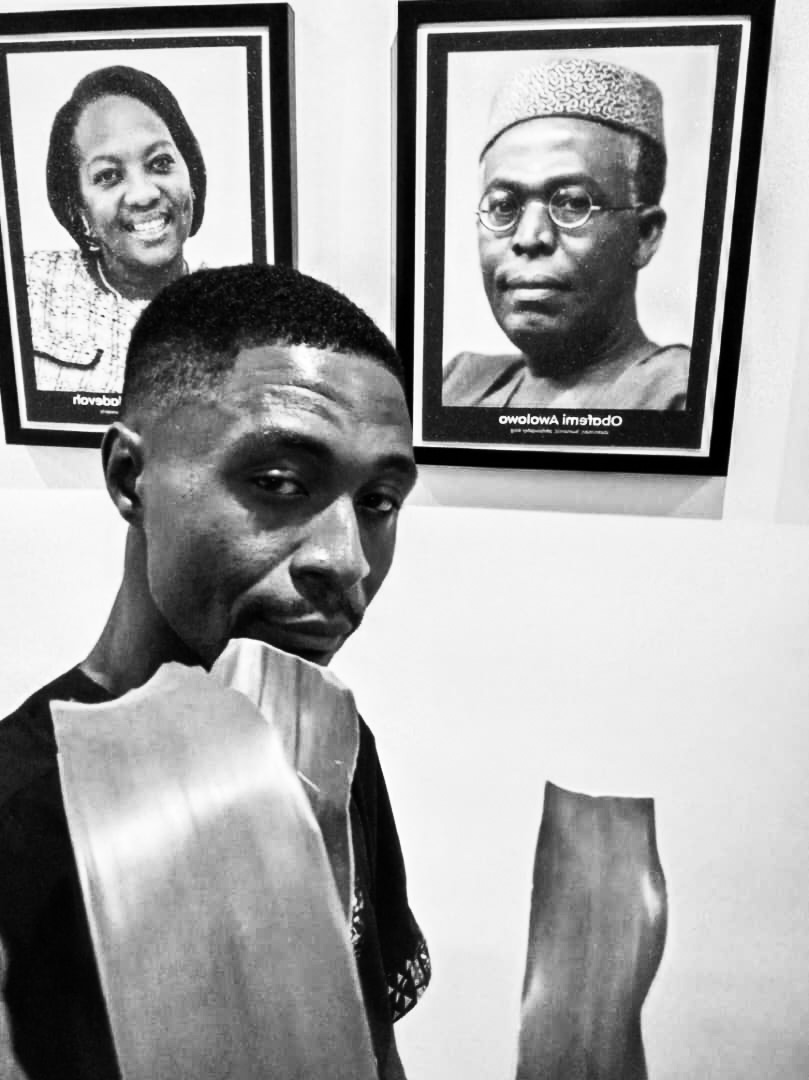

It’s been a wild ride last year in Nollywood so it is only fitting that viewers start the New Year, particularly for those still holidaying and yet to resume the regular hustle, with Far From Home, a feast for the eyes that tells the over-flogged story of the lives of one percent of the one percent. But rather than being a trite retelling of the glitz and glam of the bourgeoisie with no substance, or discernible plot, Far From Home tries to stand out by deepening the narrative. Did it succeed?
Far From Home follows Ishaya Bello (Mike Afolarin), an audacious upstart from the wrong side of Lagos, Isale Eko, who finds himself at Wilmer Academy, an exclusive school for the uber rich on a scholarship. Ishaya is a visual artist with big dreams who wants to get a grant and is willing to do whatever is necessary to succeed in his quest. Throughout the story we see the travails of the rich and the poor, we see his girlfriend Adufe (Gbugbemi Ejeye), a rather timid girl who eventually finds her inner villain, his sister Rahlia (Tomi Ojo) and others whose stories and problems make Far From Home a never ending thrill.
The plot of Far From Home is a bit familiar. There are similar shows following similar tropes, and though there was nothing in Far From Home to set it apart, it was still a reasonably good watch. The dexterity of the writers (Nk’iru Njoku, Jola Ayeye especially) is what makes an otherwise unbelievable story more relatable. The cinematography was great.
One of the best parts of Far From Home is the acting. There were heavy weights like Richard Mofe-Damini who plays Feyi Wilmer-Willoughby, Bimbo Akintola who plays Mabel Wilmer-Willoughby, Adesua Etomi who plays Ms Iruhe, the art teacher paired side by side with some new talents in Nollywood; the new talents are the stars of the show. They steal each scene they appear and are just a joy to watch onscreen.
While the plot professes along nicely, through the first four and half episodes, the end of the series seems a bit rushed. Four episodes are dedicated to building tension and conflict only to be resolved in half an hour or less! It seemed a bit like cheating.
Certain elements of the story also don’t make any sense. For instance, an ambulance comes to pick up Ishaya’s father (Paul Adams) from his house in Isale Eko. In what universe? The house the Bellos live in too seems a bit too “designed” and not an organic living space at all. The ghetto was not giving off the proper trenches vibe it was supposed to give. It was too put together and deliberately dishevelled, too quiet too. It undermined the opportunity the show has to really discuss classism and poverty in Nigeria.
There were numerous flaws in the plot. From a kidnapper at a supposedly exclusive school, who didn’t wear any sort of mask to disguise his identity, to Adufe’s character who went from a “good” girl to a criminal with very little progression in between, there are a lot of head scratching moments in Far From Home.
Despite its flaws, it’s not a bad film. It is an easy watch, full of some great moments. It’s out on Netflix.
Didi Dan-Asisah is an art enthusiast and critic. She lives in Lagos.

Ayodelé is a Lagos-based journalist and the Content and Editorial Coordinator at Meiza. All around the megacity, I am steering diverse lifestyle magazine audiences with ingenious hacks and insights that spur fast, informed decisions in their busy lives.


